Battery storage
Use more of your own energy with home battery storage
Store spare solar energy or cheaper off-peak electricity and use it when your home needs it most.
- Solar + battery together: model both in one go before you speak to sales
- New build or retrofit: we explain AC vs DC in simple terms and what it means for cost
- Support after you sign: your installer covers the install; we help with portal quotes and next steps
Still deciding? Read our guides Should I get a battery?

Trusted solar & battery guidance for UK homeowners




Trusted solar & battery guidance for UK homeowners
What a home battery can do for you
Not every benefit applies to every home. Your installer shows which ones matter for you in pounds and pence.
Store solar
Use more of your own solar instead of sending it to the grid for a low export rate
Off-peak fill
Charge when electricity is cheap (if your tariff allows), then use that power when prices are higher
See the flows
See import, export, and battery activity in the app your installer sets up
Backup
Optional backup for power cuts if you choose the right kit and budget for it
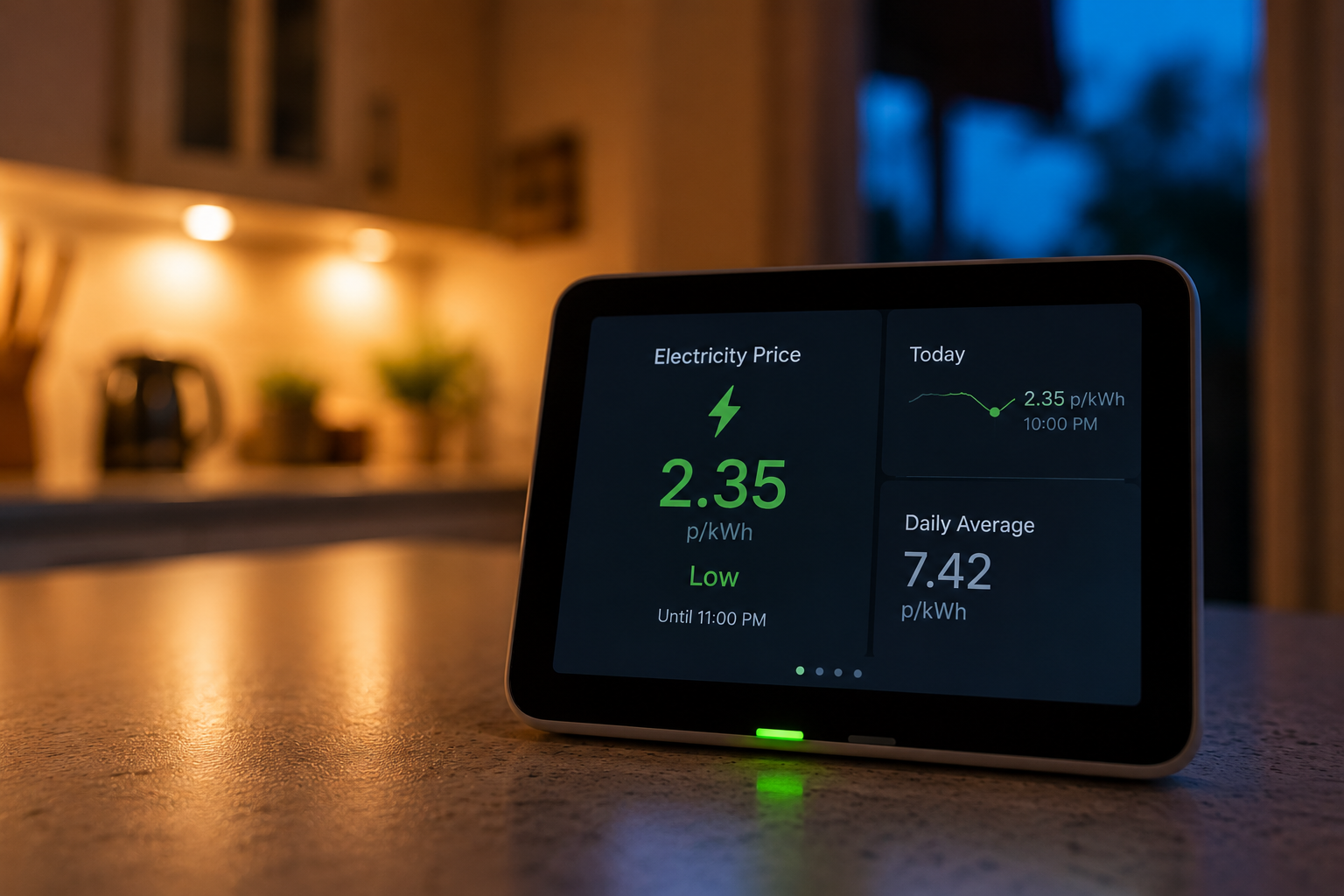
Smart tariffs and off-peak charging
Some tariffs reward shifting energy to cheaper times. A battery can help if your setup and supplier fit. We keep the modelling honest so you can compare what installers propose.
How battery storage works
Same kit can work in different ways. Pick the path that matches your home, then ask installers to prove the savings.
Your solar powers the house first
During the day, solar runs your appliances. Leftover energy can fill the battery instead of going straight out to the grid.
Save spare solar for later
Stored energy is there for evenings, dull days, or peak-price periods, within what your inverter and grid connection allow.
Use your own power after dark
You buy less from the grid at expensive times. How much you save depends on system size, shading, lifestyle, and export payments.
Charge when power is cheap
If your tariff and hardware allow grid charging at night, you can top up the battery then. Your installer checks this is allowed before you rely on it.
Use stored power in peak windows
Automation can discharge the battery when grid power is pricey. The saving depends on efficiency, how often you hit those peaks, and your tariff.
Check the sums carefully
Batteries without solar can work for some homes and not others. Survey-backed quotes show whether it stacks up for you.
Battery with solar vs battery without solar
Three common combinations — we’ll show which one fits your home in the savings estimator.
| Option | Best for | Benefit |
|---|---|---|
| Solar + battery | Homes generating solar energy | Store spare solar power for evenings and dark days |
| Battery only | Homes on smart / time-of-use tariffs | Charge at cheaper times, use when the grid is expensive |
| Solar only | Lower upfront cost or roof-led projects | Reduce daytime grid use, add a battery later if it pays |
Battery brands you may compare
Energy Badger is brand-independent. Installers in our network can quote a range of leading home battery systems, so you can compare like for like.
Brand availability depends on installer, property, and stock. Your written quote names the exact models.
Compare battery optionsRoom to grow later
Many systems can add more storage over time as your needs change. Wall space and grid limits still apply, and a survey shows what is possible.
See how it is performing
Most systems come with an app for charge level, alerts, and history. Your installer commissions it; Energy Badger can help with portal questions if something looks wrong.
Quotes you can compare line by line
We do not hide extras in a bundle. Installers list what you get and what it costs. Compare offers side by side in your customer portal.
Hardware
Battery & mounting
Brand, usable capacity, warranty length, indoor or outdoor use, and extras such as cables or gateways.
Electrical
Integration & commissioning
Inverter or gateway, monitoring, safety kit, and any fuse board work needed.
Compliance
Paperwork & registrations
Grid paperwork where needed, MCS paperwork if that route applies, and what you receive at handover.
Protection
Warranties & workmanship
Product and workmanship cover, how long each lasts, and who to call for a fault on site versus a portal question.
AC or DC coupling: which suits you?
DC-coupled
Often best with new solar: efficient path from panels to battery. Can be less flexible on some retrofits or grid-charging setups.
AC-coupled
Adds an extra inverter stage. Often easier with existing solar, flexible for many grid-charge setups, sometimes a bit more expensive.
Installs that meet UK expectations
Where MCS routes apply, our installers follow the workmanship, paperwork, and consumer standards UK regulators expect, so your install documentation reads clearly for lenders, insurers, and a future buyer.
Battery FAQs
Common questions, answered simply. Contact us if you want to talk it through.
Battery storage tends to work best if you…
- Already have solar panels (or plan to install them)
- Are on, or considering, a time-of-use / smart tariff
- Use significant electricity in the evenings
- Want resilience during power cuts (with appropriate kit)
Not sure? Our free estimate models your home specifically.
Ready to see if a battery makes sense for your home?
Model usage, tariffs, and solar together in our free estimator, then compare written quotes if you choose to proceed.
Ready to Switch to Solar?
Get your free savings estimate in under 60 seconds. No obligation, no sales pitch.