The 2026 Home Energy Revolution: Why UK Households Are Ditching Gas
Introduction
The UK is undergoing a profound transformation in how homes are powered and heated. With rising energy costs, ambitious net-zero targets, and rapid technological advancements, homeowners are increasingly turning away from traditional gas boilers in favour of cleaner, more efficient solutions such as Solar PV and Air Source Heat Pumps (ASHPs). This shift is not just about sustainability—it’s about energy independence, long-term savings, and future-proofing homes.
Why Gas Is Losing Its Appeal
For decades, gas boilers have been the backbone of home heating in the UK. However, several factors are accelerating their decline:
1. Rising Energy Costs
Gas prices have remained volatile, leaving households vulnerable to unpredictable bills. Electricity, particularly when generated through solar panels, offers a more stable and controllable alternative.
2. Government Net-Zero Targets
The UK government aims to achieve net-zero carbon emissions by 2050, with policies encouraging the electrification of heating. New-build homes are expected to move away from gas, and incentives are in place to support retrofits.
3. Environmental Concerns
Heating accounts for a significant portion of household carbon emissions. Transitioning to renewable technologies dramatically reduces a home's environmental impact.
The Role of Solar PV
Solar photovoltaic systems convert sunlight into electricity, allowing homeowners to generate their own clean energy. Modern systems are more efficient and affordable than ever.
Key Benefits
- Reduced electricity bills
- Lower carbon footprint
- Eligibility for Smart Export Guarantee (SEG) payments
- Integration with battery storage
Technological Advancements
Recent innovations include:
- High-efficiency monocrystalline panels
- All-black and roof-integrated designs
- AI-powered energy management systems
- Enhanced battery storage solutions
Air Source Heat Pumps: The Future of Heating
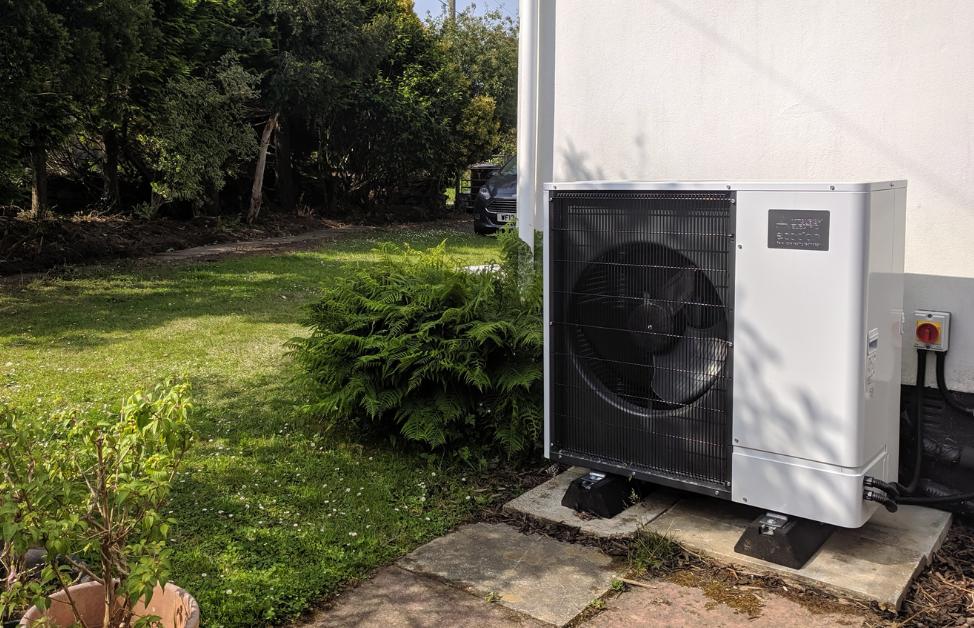
Air Source Heat Pumps extract heat from the outside air to warm homes and provide hot water. They are significantly more efficient than traditional boilers, often delivering three to five units of heat for every unit of electricity consumed.
Benefits of ASHPs
- Energy efficiency: Coefficient of Performance (COP) between 3 and 5.
- Lower running costs when paired with solar energy.
- Reduced maintenance requirements.
- Eligibility for the Boiler Upgrade Scheme (BUS) offering grants of up to £7,500.
Financial Incentives Supporting the Transition
Boiler Upgrade Scheme (BUS)
The BUS provides substantial financial support to homeowners installing heat pumps, significantly reducing upfront costs.
Smart Export Guarantee (SEG)
Homeowners with solar panels can earn payments for exporting excess electricity back to the grid.
VAT Reductions
Energy-saving technologies currently benefit from 0% VAT, making installations more affordable.
Energy Independence and Resilience
By combining Solar PV, battery storage, and heat pumps, homeowners can achieve a high level of energy independence. This reduces reliance on the grid and protects against future energy price fluctuations.
Real-Life Example
Consider a semi-detached home in Manchester:
- Solar PV system (4 kW): Saves approximately £600 annually.
- Battery storage: Increases self-consumption and resilience.
- Air Source Heat Pump: Reduces heating costs and emissions.
Together, these technologies can cut energy bills by over 50% while significantly lowering carbon emissions.
Challenges and Considerations
While the benefits are compelling, homeowners should consider:
- Upfront installation costs
- Home insulation requirements
- Space for external heat pump units
- Planning permissions in certain areas
A professional home energy assessment can help determine suitability.
The Future of Home Energy
Looking ahead, integrating renewable technologies with smart grids, dynamic tariffs, and vehicle-to-home (V2H) systems will further enhance efficiency and savings.
Conclusion
The transition away from gas is not just a trend—it’s a fundamental shift in how UK homes are powered and heated. Solar PV and Air Source Heat Pumps offer a sustainable, cost-effective, and future-proof solution.
Call to Action
Ready to future-proof your home?
Contact Energy Badger today for a personalised home energy assessment and discover how much you could save.