Blog Energy Badger
Smart Homes & Energy: How AI Is Reducing Bills in 2026
Last updated 14 September 2026
Blog Energy Badger
Last updated 14 September 2026
The concept of the smart home has evolved rapidly in recent years. In 2026, artificial intelligence (AI) is transforming how UK households manage energy, making homes more efficient, sustainable, and cost-effective. By intelligently coordinating technologies such as solar PV, battery storage, and air source heat pumps, AI-driven systems are helping homeowners significantly reduce their energy bills.
This article explores how smart home technology works and why it is becoming an essential component of modern energy-efficient living.
A smart energy home uses connected devices and AI-powered software to monitor, analyse, and optimise energy consumption. These systems learn household patterns and automatically adjust energy usage to maximise efficiency and minimise costs.
AI systems analyse historical consumption patterns, weather forecasts, and occupancy data to predict energy demand. This allows the system to:
With the rise of time-of-use tariffs, AI can automatically schedule high-energy activities—such as charging batteries or running appliances—during off-peak hours when electricity prices are lowest.
Instead of exporting excess solar energy to the grid, AI ensures it is used within the home by:
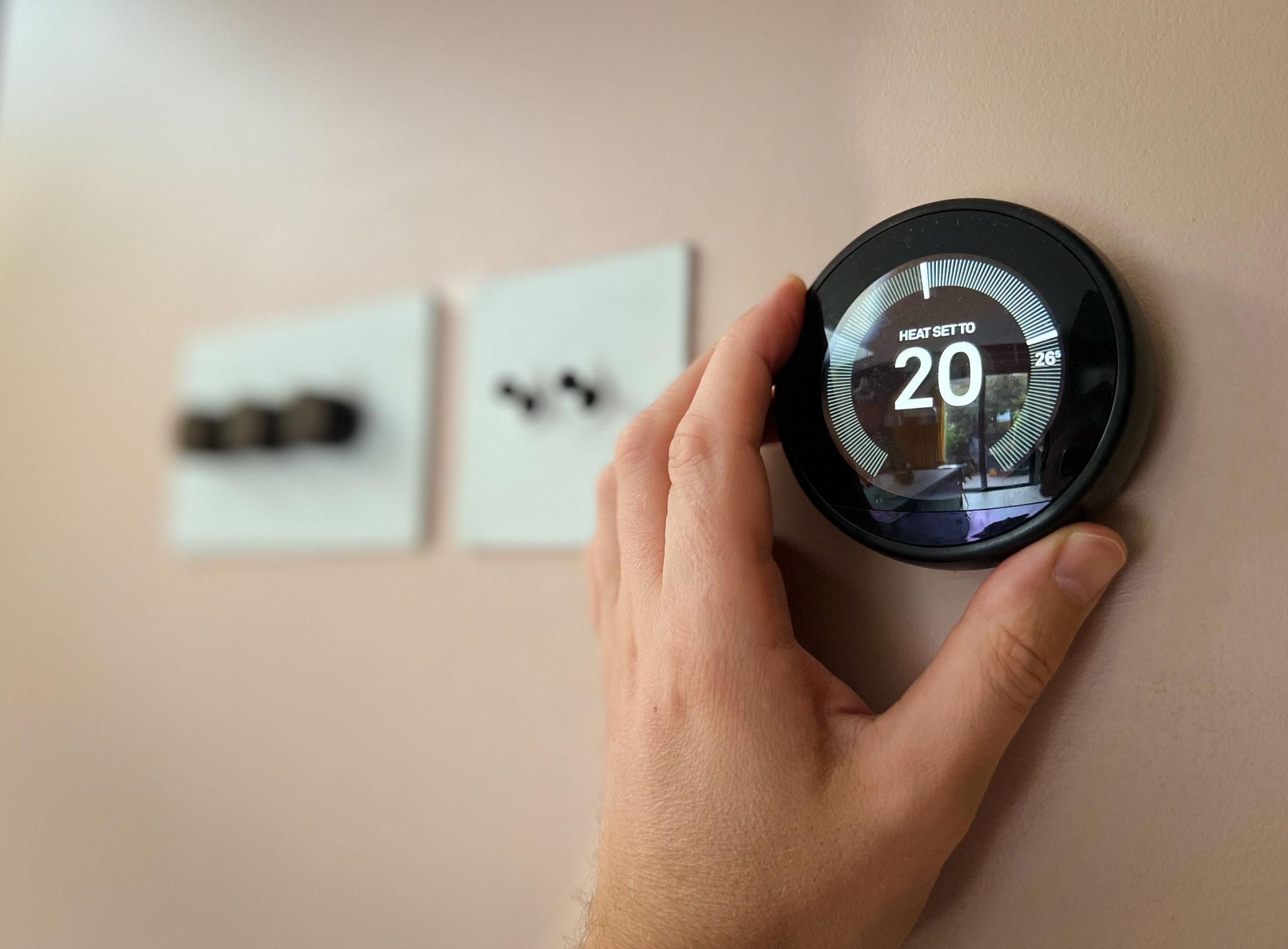
AI-driven thermostats adjust heating based on occupancy, weather conditions, and user preferences, ensuring comfort while minimising energy waste.
By optimising when and how energy is used, homeowners can reduce their energy bills by 20–40%.
Efficient energy management and increased use of renewable electricity significantly reduce greenhouse gas emissions.
Smart integration of solar panels and battery storage decreases reliance on the national grid.
Automated temperature and lighting controls create a more comfortable living environment.
User-friendly apps provide detailed insights into energy consumption, empowering homeowners to make informed decisions.
The real power of smart homes lies in the integration of multiple technologies:
| Technology | Role in a Smart Home |
|---|---|
| Solar PV | Generates clean electricity |
| Battery Storage | Stores excess energy |
| Air Source Heat Pump | Provides efficient heating |
| Smart Thermostat | Optimises comfort and efficiency |
| EV Charger | Enables low-cost, low-carbon transport |
Together, these systems create a holistic energy ecosystem that maximises savings and sustainability.
Devices like the Google Nest Learning Thermostat and Hive Active Heating learn user behaviour and automatically adjust heating schedules.
Solutions such as the Tesla Powerwall and GivEnergy Battery enable efficient storage and intelligent energy management.
Advanced platforms integrate multiple devices, providing a single interface for monitoring and control.
Consider a typical semi-detached home in the UK equipped with:
Energy suppliers now offer tariffs that reward flexible energy usage. AI systems automatically respond to these price signals, ensuring homeowners benefit from the lowest possible energy costs without manual intervention.
Electric vehicles will increasingly act as mobile batteries, supplying energy back to homes during peak periods.
Blockchain-enabled platforms may allow homeowners to trade surplus renewable energy within their communities.
Smart homes will play an active role in balancing the national grid, providing additional revenue opportunities.
Future AI systems will deliver even more precise energy optimisation, further increasing savings and efficiency.
Smart energy solutions are suitable for most UK households, particularly those with:
Energy Badger can help you:
AI-powered smart homes are revolutionising energy management in the UK. By intelligently integrating solar PV, battery storage, and air source heat pumps, homeowners can significantly reduce their energy bills while contributing to a more sustainable future.
Ready to make your home smarter and more energy-efficient?
Contact Energy Badger today for a personalised assessment and discover how AI-driven solutions can transform your home.
Customer satisfaction
Clear replies when you reach out, no scripted hard sell, and installers expected to meet the consumer standards UK homeowners should rely on. If something is unclear or slower than it should be, tell us, as it helps us improve for everyone. Ready to start? Register your interest when it suits you.