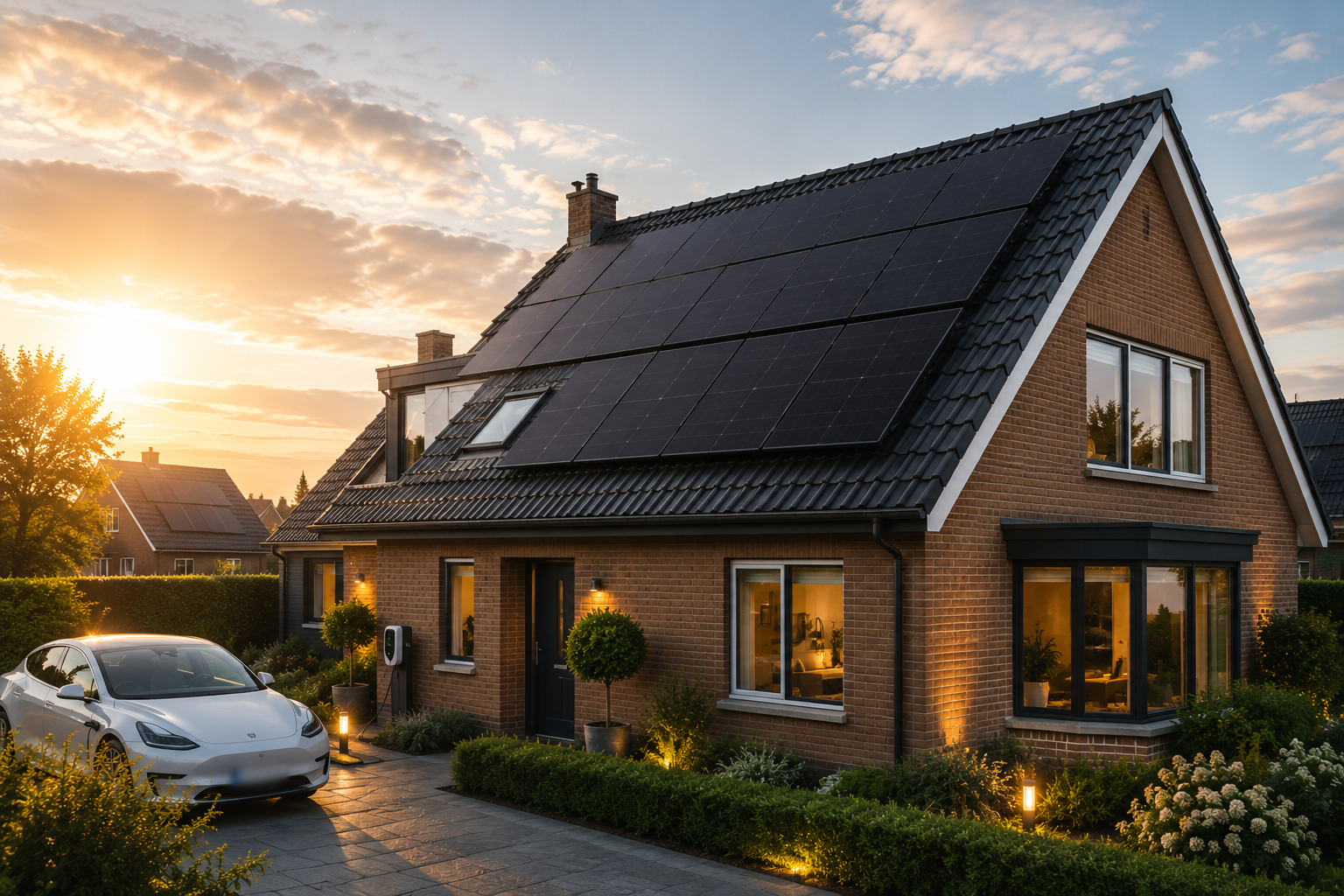
With electricity prices remaining significantly higher than they were just a few years ago, more UK homeowners are looking at solar panels as a long-term way to reduce their energy bills and become less reliant on traditional energy suppliers.
One of the first questions most people ask is:
"How much do solar panels actually cost?"
The answer depends on several factors, including the size of your home, your electricity usage, your roof, and whether you choose to install battery storage.
In this guide, we'll explain:
- Typical solar panel costs in 2026
- What affects the price
- Whether battery storage is worth it
- How much you could save
- Available incentives
- Whether solar panels are still worth the investment
Average Solar Panel Costs in the UK
The average cost of installing solar panels has continued to become more competitive thanks to improvements in manufacturing, increased installer competition and more efficient technology.
Typical installed costs in 2026 are:
| System Size |
Suitable For |
Typical Price |
| 2kW |
1–2 bedroom property |
£4,500–£5,500 |
| 3kW |
Small family home |
£5,500–£6,500 |
| 4kW |
Average UK home |
£6,000–£7,500 |
| 5kW |
Larger family home |
£7,000–£8,500 |
| 6kW+ |
High electricity usage |
£8,500–£11,000+ |
These figures include a professional installation, inverter, mounting equipment, electrical works and VAT where applicable. Actual prices vary depending on your property and installer.
How Much Does Battery Storage Cost?
Battery storage has become one of the most popular additions to a solar installation.
Rather than exporting unused electricity during the day, a battery stores it for use later in the evening when your household demand is highest.
Typical battery prices are:
| Battery Capacity |
Typical Cost |
| 5kWh |
£2,500–£4,000 |
| 8kWh |
£4,000–£6,000 |
| 10kWh+ |
£5,000–£8,000 |
Although batteries increase the upfront investment, they can significantly improve self-consumption and reduce the amount of electricity you need to buy from the grid.
What Influences the Cost?
Every property is different, meaning no two quotes are exactly the same.
The main factors affecting installation costs include:
System Size
Larger systems require more panels and a larger inverter but generally provide better value per installed kilowatt.
Roof Type
Simple pitched roofs are usually the most cost-effective.
Complex roof layouts, multiple roof faces or difficult access may increase labour costs.
Panel Quality
Premium manufacturers often offer:
- Higher efficiencies
- Longer warranties
- Better long-term performance
- Improved degradation rates
Budget panels can still provide excellent value, but may not deliver the same long-term output.
Inverter Choice
Your installer may recommend:
- String Inverter
- Hybrid Inverter
- Microinverters
- Power Optimisers
The right option depends on shading, roof layout and whether you intend to install battery storage.
Scaffolding
Properties requiring extensive scaffolding or difficult access can increase installation costs.
What's Included in a Solar Installation?
A professional MCS-certified installation should normally include:
- High-efficiency solar panels
- Mounting system
- Roof fixings
- Inverter
- Electrical protection
- Generation meter (where required)
- Installation labour
- Testing and commissioning
- Building Regulations notification
- MCS certification
- Handover documentation
How Much Could You Save?
Savings depend on:
- Household electricity usage
- Solar generation
- Export tariff
- Battery storage
- Energy prices
A typical 4kW solar system can generate around 3,200–4,000 kWh of electricity each year depending on location, roof orientation and shading.
Typical annual savings include:
Without a battery:
With battery storage:
Households with electric vehicles or heat pumps often save even more because they consume a larger proportion of the electricity they generate.
Can You Earn Money From Your Solar Panels?
Yes.
Under the Smart Export Guarantee (SEG), homeowners can receive payments for surplus electricity exported to the National Grid.
Export rates vary by supplier, with some tariffs paying significantly more than others. Comparing SEG tariffs can improve the return from your solar investment.
Is There VAT on Solar Panels?
Eligible residential solar panel installations continue to benefit from 0% VAT, helping reduce the upfront cost for homeowners. Current tax treatment can make solar considerably more affordable than it was several years ago.
How Long Does It Take to Pay Back?
Most homeowners now see payback periods between:
6–10 years
depending on:
- Installation cost
- Electricity prices
- Export tariff
- Battery storage
- Household energy use
Given that modern solar panels typically come with performance warranties of 25 years or more, many systems continue producing valuable electricity long after they've paid for themselves.
Are Solar Panels Worth It in 2026?
For many UK households, the answer is yes.
Solar panels can:
- Reduce your electricity bills
- Protect against future energy price rises
- Lower your home's carbon footprint
- Increase energy independence
- Work alongside battery storage, electric vehicles and heat pumps
- Potentially improve your property's appeal to buyers
The biggest savings are generally achieved by households that use a large proportion of the electricity they generate rather than exporting it all to the grid.
How to Get the Best Value
Before choosing an installer, we recommend:
- Comparing at least three quotes
- Choosing an MCS-certified installer
- Checking product warranties
- Understanding expected annual generation
- Reviewing battery options
- Comparing Smart Export Guarantee tariffs
- Asking for projected savings based on your own electricity usage
The cheapest quote isn't always the best value. High-quality equipment, experienced installers and robust warranties can deliver greater long-term savings.
Final Thoughts
Solar panels remain one of the most effective home improvements for reducing energy bills and increasing energy independence.
Although the initial investment may seem significant, falling installation costs, improved technology, 0% VAT and ongoing Smart Export Guarantee payments mean solar continues to offer attractive long-term value for many UK homeowners.
Every property is different, which is why understanding your roof, electricity usage and future plans is essential before deciding on the right system.
Ready to Find Out if Solar Is Right for Your Home?
At Energy Badger, we help homeowners understand renewable energy without the jargon.
Whether you're considering solar panels, battery storage or a complete home energy upgrade, our guides, calculators and expert advice are designed to help you make informed decisions.
Explore more homeowner guides on Energy Badger and take the first step towards lower bills and greater energy independence.