Blog Energy Badger
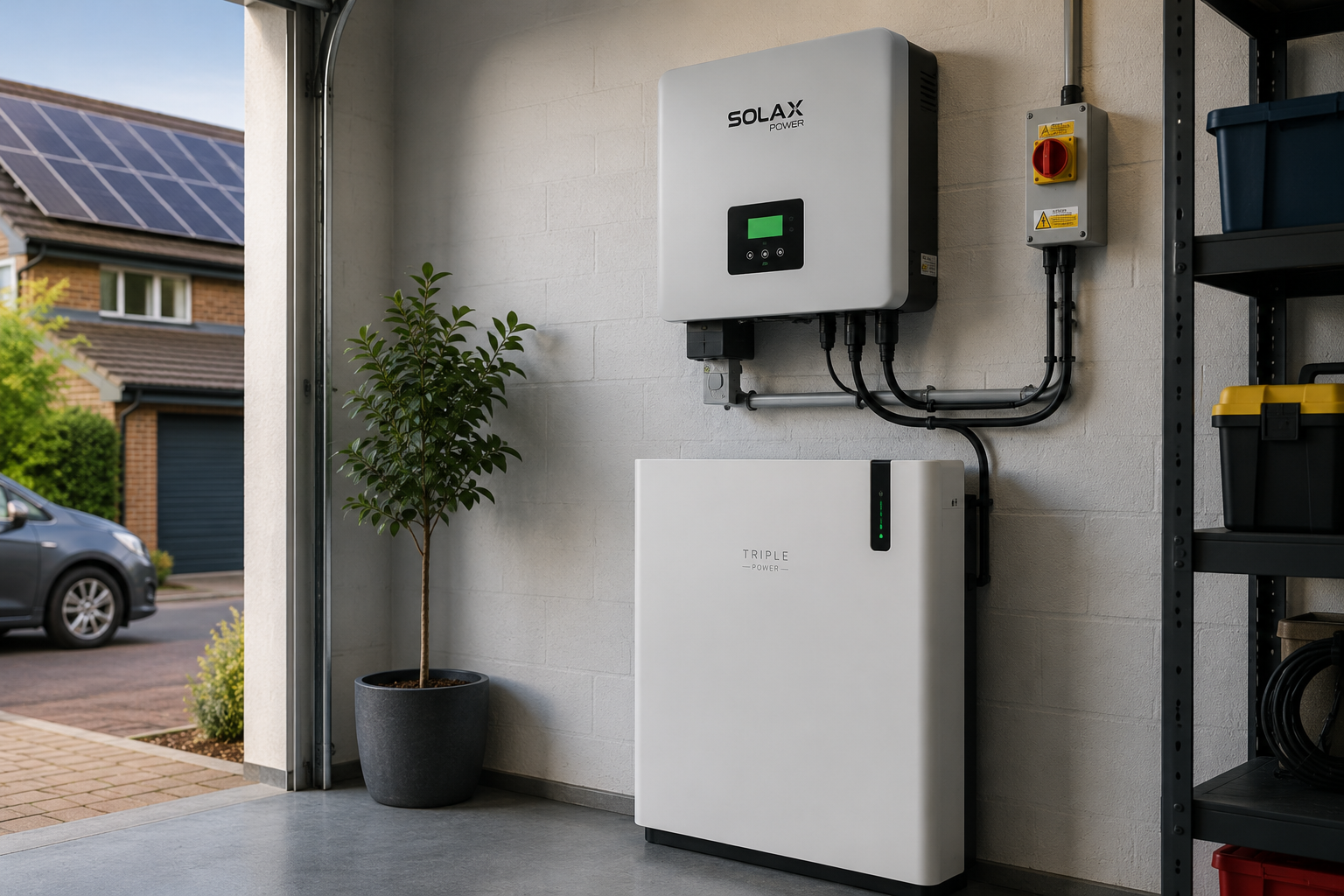
Is Home Battery Storage Worth Buying?
Last updated 5 September 2026
Thinking about buying a home battery? Discover the pros, cons, costs, savings and whether battery storage is worth it for UK homeowners in 2026.
Blog Energy Badger
Last updated 5 September 2026
Thinking about buying a home battery? Discover the pros, cons, costs, savings and whether battery storage is worth it for UK homeowners in 2026.
If you're considering solar panels, you've probably also come across home battery storage.
In recent years, home batteries have become one of the fastest-growing renewable energy technologies in the UK. They allow homeowners to store excess electricity generated by their solar panels and use it later, reducing reliance on the National Grid and lowering electricity bills.
But with prices typically ranging from £2,500 to £8,000, many homeowners ask the same question:
Is home battery storage actually worth the investment?
The answer depends on your energy usage, your existing solar system and your long-term goals. For many households, battery storage can significantly increase the value of a solar installation. For others, it may not yet provide the financial return they expect.
In this guide, we'll explain how home battery storage works, the benefits and drawbacks, how much you could save, and whether it's the right investment for your home.
A home battery stores electricity that would otherwise be exported to the National Grid.
Without a battery, your solar panels generate electricity during daylight hours. Any electricity you're not using immediately is usually exported to the grid.
With battery storage, that unused electricity is stored for later use.
Instead of buying electricity from your supplier during the evening, your home can draw power directly from the battery.
This means you use more of the clean energy you've generated yourself.
The process is surprisingly simple.
Everything happens automatically, with the battery charging and discharging based on your home's energy demand.
Most systems also include a mobile app, allowing you to monitor battery levels, energy generation and household consumption in real time.
One of the biggest advantages is reducing the amount of electricity you buy from your supplier.
Instead of exporting free electricity during the day and buying it back in the evening at a much higher price, you store it for your own use.
The more electricity you use from your battery, the greater your potential savings.
Many homeowners install batteries because they want greater control over their energy.
By storing your own electricity, you're less dependent on fluctuating energy prices and less exposed to future tariff increases.
For households looking to become more energy independent, a battery is often the missing piece of the puzzle.
Without battery storage, many households only use 30–50% of the electricity their solar panels generate.
Adding a battery can increase self-consumption to 70–90%, depending on your usage patterns.
That means more of the electricity you're generating is benefiting your household rather than being exported.
Many modern batteries can charge from the National Grid when electricity prices are at their lowest.
Combined with time-of-use tariffs, such as overnight off-peak rates, you can charge your battery cheaply and use that electricity during expensive peak periods.
This strategy can reduce electricity costs even if you don't have solar panels.
Every unit of electricity you use from your battery instead of the grid helps reduce your reliance on fossil fuel-generated electricity.
For environmentally conscious homeowners, battery storage is another step towards reducing household emissions.
Like any investment, battery storage isn't perfect.
Battery systems remain a significant investment.
Typical installed prices range from:
| Battery Capacity | Typical Installed Cost |
|---|---|
| 5kWh | £2,500–£4,000 |
| 8kWh | £4,000–£6,000 |
| 10–13kWh | £5,500–£8,000 |
Prices vary depending on the manufacturer, inverter compatibility and installation complexity.
While batteries reduce electricity bills, they don't always pay for themselves as quickly as solar panels.
Typical payback periods range from 8 to 15 years, depending on:
No battery can store unlimited electricity.
Once the battery reaches full capacity, additional solar generation is exported to the grid.
Choosing the correct battery size is therefore important.
Bigger isn't always better—it's about matching the battery to your home's energy consumption.
Surprisingly, it can be.
Some homeowners install batteries without solar panels and charge them overnight using cheaper electricity tariffs.
The battery then powers the home during expensive peak-rate periods.
This approach can reduce electricity costs, particularly for households with flexible tariffs.
However, batteries generally provide the greatest financial benefit when paired with solar panels.
Battery storage is most suitable if you:
The more electricity you can store and use yourself, the greater the financial benefit.
One of the biggest mistakes homeowners make is buying a battery that's too large.
A battery should be sized around your:
For many UK households:
A professional installer should assess your energy usage before recommending a battery size.
When comparing batteries, consider:
Choosing a reputable manufacturer with strong warranties and UK support can provide additional peace of mind.
For many homeowners, yes.
If you already have solar panels—or you're planning to install them—a battery can help you use more of the electricity you generate, reduce reliance on the National Grid and lower your long-term energy bills.
While the upfront investment isn't insignificant, improvements in battery technology, smarter energy tariffs and rising electricity prices are making battery storage an increasingly attractive option.
The best value comes from choosing a battery that's properly matched to your home and energy usage, rather than simply opting for the largest system available.
Home battery storage isn't just about saving money—it's about taking greater control of how your home uses energy.
Whether you're looking to maximise your solar investment, reduce your electricity bills or move towards greater energy independence, battery storage has become an increasingly practical option for UK homeowners.
As battery prices continue to fall and smart energy tariffs become more widespread, the value of storing your own electricity is only likely to increase.
At Energy Badger, we're here to make renewable energy simple.
Explore our expert guides, compare the latest battery technologies, and learn how solar panels, battery storage and smart energy tariffs can work together to reduce your energy bills.
Whether you're researching your first renewable energy upgrade or looking to get more from an existing solar system, Energy Badger provides the trusted, jargon-free advice you need to make informed decisions.
Customer satisfaction
Clear replies when you reach out, no scripted hard sell, and installers expected to meet the consumer standards UK homeowners should rely on. If something is unclear or slower than it should be, tell us, as it helps us improve for everyone. Ready to start? Register your interest when it suits you.